By David Rhodes
I am not trying to become 25 again. I am trying to make the years ahead feel energetic, capable and full of possibility.
As I approach 65, longevity has become less of an abstract wellness trend and more of a practical question: what can I do now to keep travelling, playing golf, working creatively and enjoying life for as long as possible?
I have run the London Marathon twice, played golf for most of my life and experienced the familiar reality of ageing: recovery takes longer, stiffness appears more quickly and sitting at a desk can undo some of the good work done outdoors. My answer is not a punishing biohacking regime. It is a collection of ordinary, repeatable habits — movement, strength, recovery, sleep and the occasional restorative spa experience — that help me feel more like myself.
Biological age matters more to me than the number on a birthday card
Chronological age is fixed. The way we function is more fluid. I cannot change the year I was born, but I can influence how well I move, how quickly I recover and whether I retain the strength and confidence to keep doing the things I enjoy.
That distinction is liberating. It replaces the impossible promise of “anti-ageing” with something more useful: extending healthspan – the period of life spent in good health and with a high degree of independence.
Golf is one of my longevity advantages
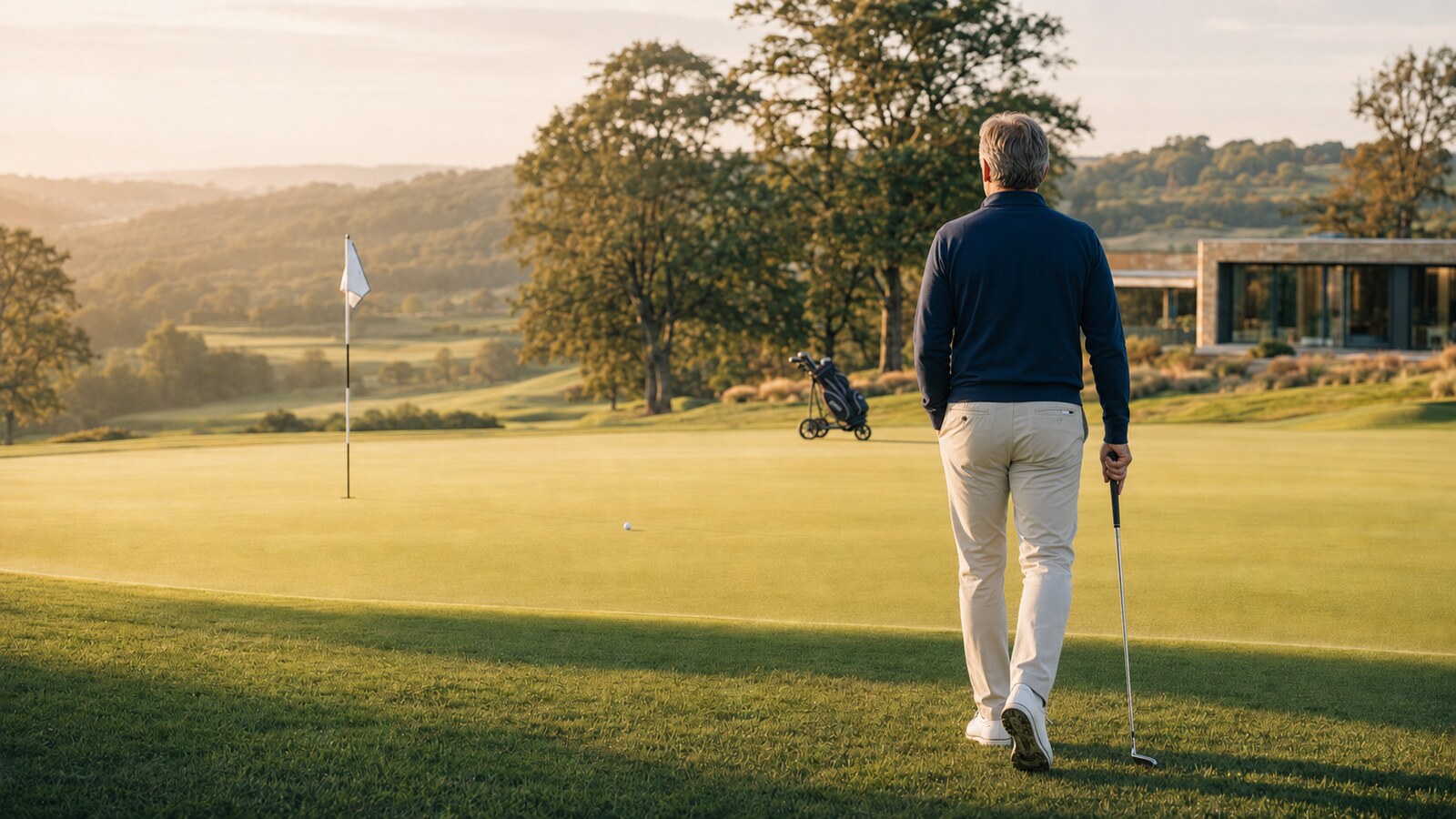
Golf gives me far more than a scorecard. A round can bring several hours of low-intensity movement, fresh air, coordination, concentration and conversation. There is a reason it remains so appealing later in life: it asks the body and mind to work together.
It is not a complete fitness programme, however. Golf also involves rotation, repeated asymmetrical movement and periods of standing or sitting. I therefore treat mobility and strength as essential support work, not optional extras.
My goal is simple: keep the body capable enough that golf, travel and everyday life remain pleasures rather than physical negotiations.
Strength after 60 is becoming non-negotiable
For years, many of us associated fitness with running, cycling or long walks. Those are valuable, but maintaining muscle and strength becomes increasingly important as we age.
I am focusing on sensible, progressive work rather than heroic gym sessions: controlled squats or sit-to-stands, hinges, pushes, pulls, carries and core stability. Technique matters more than ego. A short routine completed consistently is more valuable than an ambitious plan abandoned after a fortnight.
Anyone new to resistance training, returning after a break or managing pain or a medical condition should seek individual guidance from a qualified professional.
Mobility is my daily reset
A brief back and mobility routine has become one of my most realistic habits. Eight to ten minutes is enough to loosen the hips, wake up the upper back and reduce the sense that the first few movements of the day are being made in borrowed armour.
Before golf, I shorten that into a five-to-seven-minute sequence built around gentle rotation, hip movement and progressive swings. The aim is not to chase extreme flexibility. It is to arrive at the first tee feeling prepared rather than surprised.
Recovery is part of the programme
In younger years, recovery can feel automatic. Later, it deserves a place in the diary. I pay more attention to what happens between active days: hydration, protein-rich meals, sleep, mobility, lighter movement and genuine downtime.
This is also where spa and wellness experiences have a legitimate role. A massage, hydrotherapy session, sauna, thermal circuit or quiet afternoon away from a screen can encourage us to slow down and notice how the body feels. The value is not magic; it is the deliberate creation of space for recovery.
Sleep is the least glamorous performance tool
There is always another supplement, device or fashionable treatment competing for attention. Yet a consistent sleep routine remains one of the foundations I return to. I try to protect a regular bedtime, reduce late-night stimulation and avoid treating exhaustion as a badge of honour.
I am not perfect. Longevity should not become another source of anxiety. The objective is to make the better choice more often, then move on when life interrupts the plan.
Coffee, alcohol and the value of paying attention
I am increasingly interested in how food and drink affect energy, sleep and digestion rather than following universal rules. The useful question is not whether coffee or alcohol is categorically “good” or “bad”, but what quantity, timing and frequency do to the individual.
Small observations matter. Does an afternoon coffee disturb sleep? Does alcohol compromise recovery? Does a heavy meal leave the following day feeling slower? A simple note in a diary can be more revealing than an expensive dashboard.
Spa as preventative wellbeing — with sensible boundaries
The most interesting spas are moving beyond occasional pampering towards programmes that combine movement, nutrition, sleep, stress management and evidence-informed therapies. Used thoughtfully, a spa stay can act as a reset: time to assess habits, experience expert guidance and return home with a realistic plan.
It is important to keep the boundary clear. Spa treatments support wellbeing; they do not replace medical care. Tests, supplements and advanced longevity therapies deserve the same scrutiny we would apply to any health claim. “New” and “expensive” do not automatically mean effective.
What I am not doing
- I am not following an extreme diet.
- I am not training through persistent pain.
- I am not buying every supplement promoted as a shortcut.
- I am not trying to optimise every minute of the day.
- I am not measuring success only by weight or appearance.
I am looking instead at practical signals: energy, strength, mobility, sleep, recovery, confidence and the desire to keep saying yes to experiences.
My realistic longevity stack
- Movement: golf, walking and regular breaks from sitting.
- Strength: simple progressive resistance work.
- Mobility: a brief daily back-and-hip routine.
- Recovery: sleep, hydration, protein, lighter days and restorative spa time.
- Connection: family, friends, golf partners and shared experiences.
- Curiosity: assessing new ideas without surrendering common sense.
The goal is not younger. It is better
“Feeling 20 years younger” is not a laboratory result. For me, it means waking with energy, moving without unnecessary hesitation, retaining the strength to travel and play, and looking forward rather than narrowing life around age.
The habits are not dramatic. That may be precisely why they work. Longevity is less likely to be found in one breakthrough than in the quiet accumulation of sensible choices, repeated for years.
Frequently asked questions
Can you really feel younger in your sixties?
No routine can reverse a birthday, but consistent movement, strength work, sleep, recovery and supportive social habits can improve how energetic, capable and resilient everyday life feels.
What type of exercise is useful after 60?
A balanced routine commonly combines aerobic activity, resistance exercise, balance work and mobility. Anyone returning to exercise or managing a health condition should seek individual advice from an appropriately qualified professional.
Does golf support healthy ageing?
Golf can combine walking, coordination, time outdoors, concentration and social connection. Its value depends on the individual, the pace of play and whether it is combined with strength, mobility and adequate recovery.
Are spa treatments a substitute for medical care?
No. Spa and recovery experiences may support relaxation and wellbeing, but they do not replace medical diagnosis, treatment or advice.
What is the best first step for a longevity routine?
Start with one repeatable habit, such as a daily walk, a short mobility routine or a consistent bedtime, then build gradually rather than attempting an extreme overhaul.
Editorial note: This feature is for general information and inspiration only. It is not medical advice. Consult an appropriately qualified healthcare professional before making significant changes to exercise, nutrition, supplements or treatment.
Continue planning
Compare structured wellness stays
If longevity, recovery or healthy ageing is part of the reason for travelling, use Find a Spa to compare destination-wellness properties and clinically informed retreats by setting, facilities and focus.