FIRST SPA VISIT
A first spa visit should feel restorative, not intimidating. Here is what to bring, when to arrive, how treatments work and how to speak up about comfort, privacy and health.
Archive note
This feature was first published in 2016 as “Guide for spa virgins”. Its complete useful advice and Janet Brice’s contribution are preserved, with language, consent guidance and health claims updated for today’s reader.
“A good spa experience is more than just the treatment; it’s the whole encounter from when you arrive to when you leave.”
Janet Brice, The Spa Traveller
Janet Brice’s three essentials
- Give yourself time. Janet recommended arriving up to an hour early where facilities are included, so there is time to unwind and, if suitable, use the steam room or sauna before a massage. For a treatment-only booking, follow the spa’s instructions and aim to check in at least 30 minutes before the appointment.
- Pack for comfort. The original guide suggested two swimsuits so guests could change between wet facilities and a treatment instead of relying on disposable underwear. Today, one or two swimsuits are a personal choice; ask what robes, slippers, lockers, draping and disposable underwear are provided.
- Choose for your needs. Read the menu before booking and tell the spa about injuries, pregnancy, medicines, allergies or health conditions. Swedish and deep-tissue massage may feel different, but neither should be presented as guaranteed to improve circulation or cure recurring pain.
Before you book
- Check what is included: treatment time, thermal access, robe, towels, footwear and refreshments.
- Ask about accessibility, therapist preferences, pregnancy policies and minimum ages.
- Book popular treatments before travelling rather than waiting until arrival.
- Think about what you want from the visit, review cancellation terms and disclose relevant health information privately.
What to bring
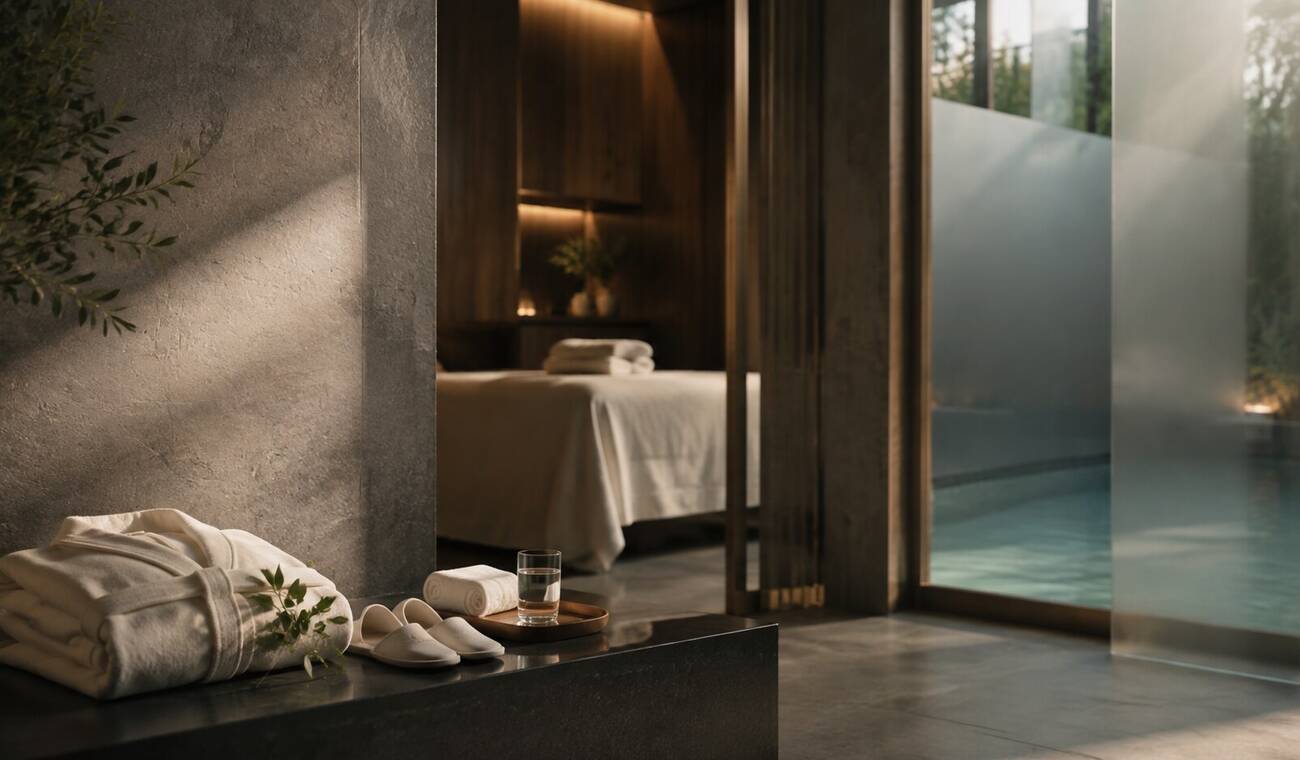
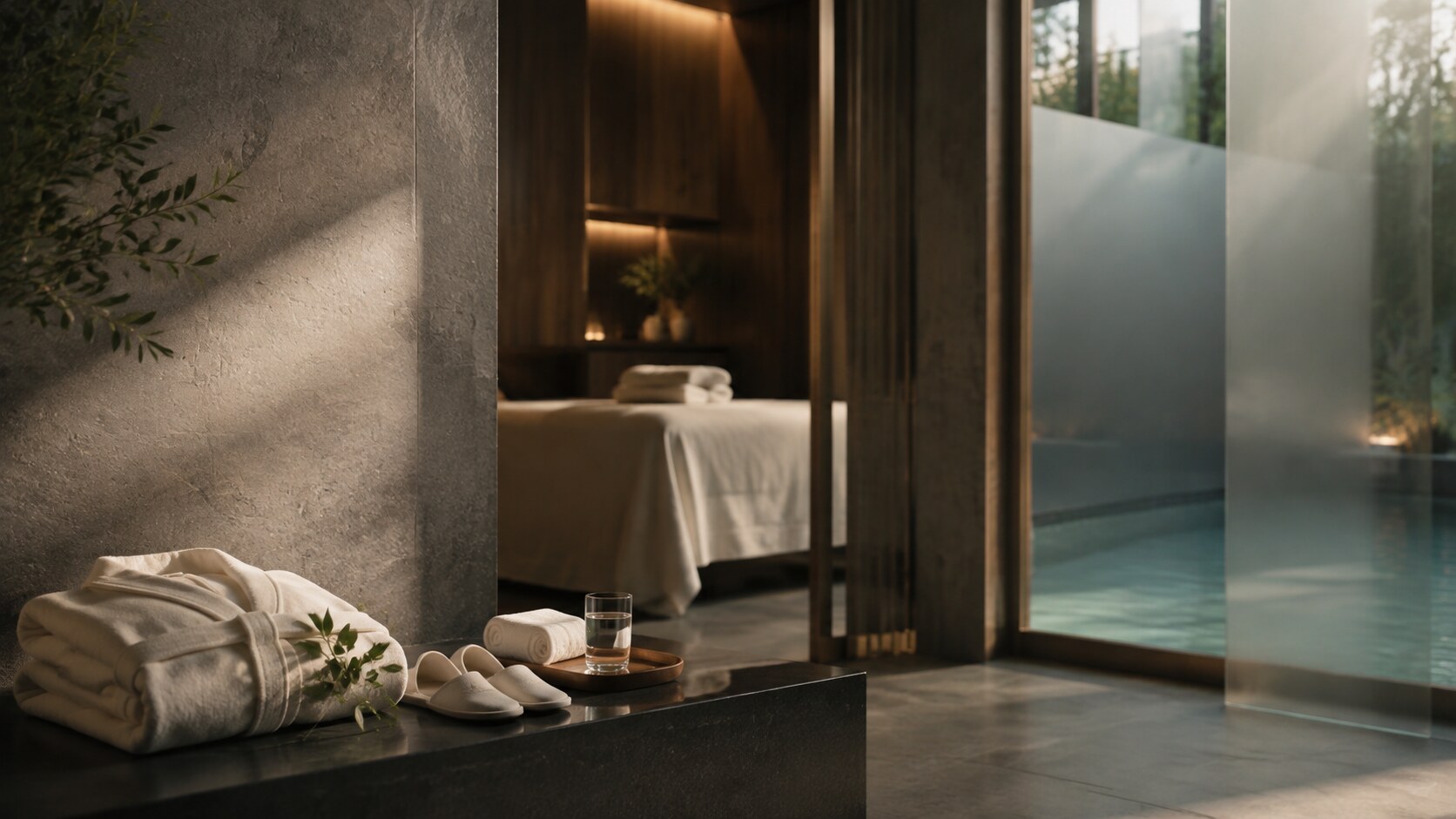
Bring swimwear if you plan to use pools or thermal facilities, plus personal toiletries, prescribed medication and a water bottle if permitted. Most destination spas provide a robe, slippers or flip-flops, towels and a locker, but confirm before travelling. Leave valuables at home where possible.
Arriving and checking in
Allow time to complete the health consultation form, change and settle. Put your phone on silent: a ringing phone interrupts both your own relaxation and other guests. Follow photography rules because a spa is a shared private space. If you arrive late, the treatment may need to be shortened to protect the next guest’s appointment.
A consultation is not a formality. Explain allergies, recent surgery, skin conditions, pregnancy, blood-thinning medication and any area you do not want touched. You can withdraw consent or stop a treatment at any time.
Using pools, sauna and steam rooms
Take advantage of pools, hot and cold plunges, sauna and steam rooms only when access is included and the facilities are appropriate for you. Shower before entering pools and again before a treatment if you have used chlorinated or heated water. Heat before massage is optional, not a requirement, and can be unsafe for some guests.
Heat safety
Hydrate, keep sessions brief, cool down gradually and leave immediately if you feel dizzy, faint, nauseated, confused or unusually weak. Avoid thermal facilities when unwell or after alcohol. Seek advice if you are pregnant or have cardiovascular, blood-pressure or other relevant conditions. The NHS explains the signs of heat exhaustion and heatstroke.
Privacy, draping and clothing
You should be told what to remove and given privacy to change. During a massage, professional draping keeps you covered and exposes only the area being treated. Disposable underwear may be offered, but you can usually keep your own underwear or swimwear on. Ask the spa before the appointment if you have preferences.
During the treatment
Tell the therapist if pressure, temperature, positioning, music, lighting or a product feels uncomfortable. Ask for a thorough explanation of the treatment and products being used. You may talk, stay quiet or snooze; a professional therapist should follow your lead and check consent before changing technique or treatment area.
The most spa-savvy thing you can do is speak up: comfort and consent matter more than etiquette.
Planning more than one treatment
The original guide recommended massage before a facial and a body treatment before massage. That can still be useful, but there is no universal rule: product use, heat, exfoliation and treatment intensity affect the plan. Ask the spa to arrange the safest, most comfortable sequence and allow time for water and rest.
Quiet, phones and shared spaces
Keep calls and notifications off in relaxation areas. Use headphones only where permitted, speak quietly, respect robe and footwear rules, and never photograph another guest without explicit permission.
Tipping
The 2016 guide described 10–20% as generally accepted. In the UK, tipping is optional. Check whether a service charge is already included in an all-inclusive package and choose only what feels appropriate.
Our verdict
Arrive with time, read the booking terms and be candid about your needs. A reputable spa will explain each step, protect your privacy and welcome questions. You do not need to know every convention before you go.
Plan a first spa break
Compare inclusions carefully and confirm treatment and facility access directly before booking.
Affiliate disclosure: we may earn a commission from qualifying bookings, at no extra cost to you. Availability and inclusions are controlled by the provider.
Frequently asked questions
How early should I arrive for a spa treatment?
Follow the spa’s instructions. Around 30 minutes is a sensible treatment-only allowance; arrive earlier when facility access is included and suitable for you.
Do I have to remove all my clothes for a massage?
No. The therapist should explain the options, give you privacy and use professional draping. You can keep underwear or swimwear on and decline treatment of any area.
Should I use the sauna before a massage?
It is optional. Some people enjoy gentle heat, but it is not necessary and may be unsuitable with certain health conditions, pregnancy, illness or dehydration.
What if I feel uncomfortable during a treatment?
Say so immediately. You can request a change in pressure, position, temperature or product, or stop the treatment altogether.
Wellbeing note: This guide is general information, not medical advice. Ask a qualified healthcare professional if you are unsure whether heat, massage or another treatment is appropriate for you.
Continue planning
Choose your first spa with confidence
Use Find a Spa to compare places by location, facilities, atmosphere and the kind of first visit that feels comfortable rather than overwhelming.