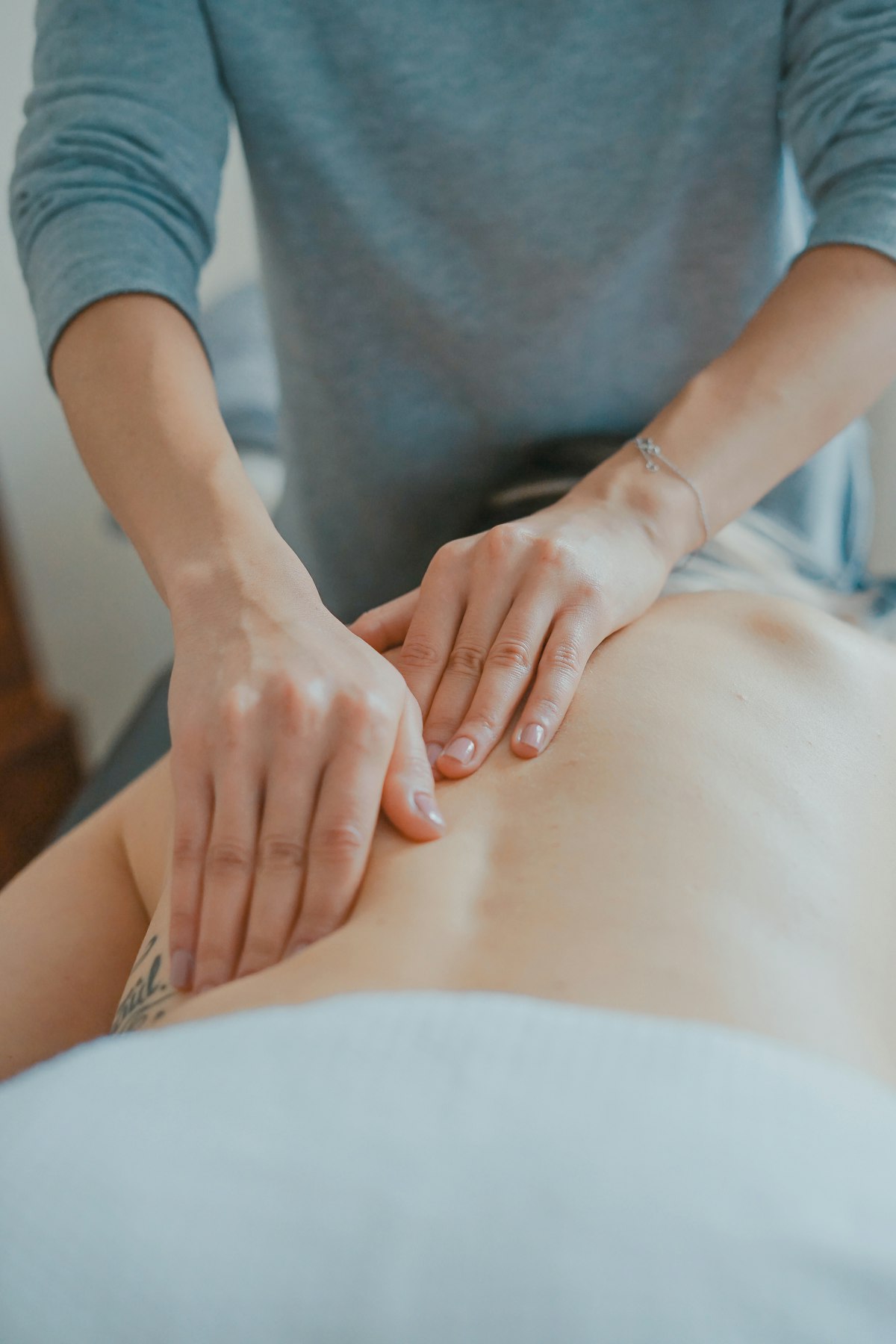
From Ayurveda and Balinese massage to Swedish, Thai and Watsu, this plain-English glossary explains what the most familiar spa treatments involve—and the questions to ask before you book.
Choose by outcome, not by name
- For gentle relaxation: consider Swedish, Balinese or a light-pressure head massage.
- For focused muscular work: ask about deep-tissue massage and agree pressure before treatment.
- For stretching and movement: Thai massage or Watsu may appeal, subject to mobility and health needs.
- For heat: hot-stone treatments can feel comforting but require extra care with reduced sensation or circulation problems.
- For energy-based practice: Reiki is a complementary wellbeing treatment, not a substitute for medical care.
A–Z massage glossary
Acupressure
A hands-on practice in which fingers, thumbs or other parts of the practitioner’s body apply pressure to selected points. Some people choose it for relaxation or comfort; claims that it stimulates “self-healing” should not be treated as medical fact.
Ayurveda
A traditional Indian system that may combine food, movement, massage, oils and herbal preparations according to individual constitutions or doshas. Spa versions vary widely. Tell the practitioner about allergies, pregnancy, medicines and health conditions, particularly before using herbal products.
Ayurvedic Shirodhara
A controlled stream of warm oil is poured over the forehead, often followed by scalp or body massage. Check the oil ingredients, temperature and hair-washing arrangements before booking.
Balinese massage
A flowing treatment that may combine stretches, rhythmic pressure and fragranced oils. Ask about pressure and aromatherapy ingredients if you have sensitive skin, allergies or dislike strong scent.
Deep-tissue massage
Slow, focused work using firmer pressure than a typical relaxation massage. Firm does not need to mean painful. Discuss recent injuries, inflammation, bruising, surgery and medicines that affect bleeding.
Head massage
Usually focuses on the scalp, neck and shoulders and may be offered seated or on a treatment bed. It can feel relaxing, but headache, neck or back pain that is severe, sudden or persistent needs appropriate clinical assessment.
Hot-stone massage
Smooth heated stones may be placed on or moved across the body to create warmth alongside massage. Heat is not a “detox”. Tell the therapist about diabetes, neuropathy, poor circulation, skin conditions or difficulty sensing temperature.
Reiki
A gentle complementary practice commonly performed with hands resting lightly on, or held above, the body. People may choose it for quiet and relaxation. It does not diagnose or treat disease.
Reflexology
Pressure is applied to areas of the feet or hands that practitioners associate with other parts of the body. Evidence for treating medical conditions is limited, so regard it as a complementary wellbeing experience rather than a diagnostic tool.
Shiatsu
A Japanese bodywork approach combining pressure, stretches and supported movement, often through clothing on a floor mat. Ask how positioning will be adapted if kneeling, lying flat or getting down to the floor is difficult.
Swedish massage
A widely offered oil massage using techniques such as gliding, kneading and rhythmic movement. Pressure can range from light to firm, making a clear conversation with the therapist more useful than relying on the treatment name alone.
Thai massage
A treatment involving compression and assisted stretches, usually through loose clothing and sometimes on a mat. Tell the practitioner about joint instability, osteoporosis, pregnancy, recent surgery or acute pain so movements can be adapted—or avoided.
Watsu
Supported stretching and bodywork in a warm pool, often around body temperature. Confirm water access, therapist support, pool depth and whether the experience suits your mobility, breathing and temperature tolerance.
Body wraps
Although not strictly massage, wraps often appear on treatment menus beside it. Products such as mud, algae or cream are applied before the body is covered for warmth and rest. Temporary skin-softening or fluid loss should not be advertised as “detox” or permanent inch loss.
Zen massage
An inconsistent marketing term rather than one standard regulated technique. It may describe slow strokes, stretches, stillness or breath awareness. Ask what the therapist will actually do, what training they hold and whether painful areas will be avoided.
The best massage is not the strongest or most elaborate—it is the treatment whose pressure, positioning and purpose feel right for you.
The Spa Traveller
Before the treatment begins
Five questions worth asking
- What will I wear, and which areas of the body will be treated?
- Can pressure, position, fragrance and temperature be adapted?
- What qualifications and insurance does the practitioner hold?
- Are there health conditions, medicines or recent procedures I should disclose?
- What is the cancellation policy if I become unwell?
Frequently asked questions
Should a massage hurt to work?
No. Some focused techniques can feel intense, but sharp, burning, electrical or intolerable pain is a reason to ask the therapist to stop or change technique.
Can massage remove toxins?
No massage needs a detox explanation to be worthwhile. The liver, kidneys, lungs and digestive system perform the body’s waste-processing functions.
Can I have massage during pregnancy?
Many people can, but the technique and positioning may need adaptation. Confirm that the practitioner is appropriately trained and ask your maternity clinician if you have complications or concerns.
When should I postpone a massage?
Postpone when you have a fever, contagious illness, unexplained severe pain, an acute injury or a skin infection affecting the treatment area. Seek medical advice when symptoms need assessment.
Conclusion: the treatment name is only a starting point
Massage menus are not perfectly standardised. Two spas can use the same name for treatments with different pressure, products and positioning. Read the description, speak to the therapist and choose the experience that fits your comfort and circumstances.
Find your next spa treatment
Browse The Spa Traveller’s directory or compare clearly marked partner spa breaks.
Affiliate disclosure: The Spa Traveller independently creates its editorial guidance. We may earn a commission if you book through the clearly marked SpaBreaks.com link, at no additional cost to you.
Wellbeing notice: This glossary provides general information, not diagnosis or treatment. Tell the practitioner about relevant health conditions, pregnancy, medicines, allergies, recent procedures and injuries before treatment.