The Spa Traveller Edit · Wellness Intelligence
Robotic massage, biometric screening and data-led personalisation are moving into wellness. But precision is only part of a memorable treatment—and the most valuable technology may be the kind that helps a skilled therapist understand you better.
There is a moment in every exceptional spa treatment when something quietly shifts.
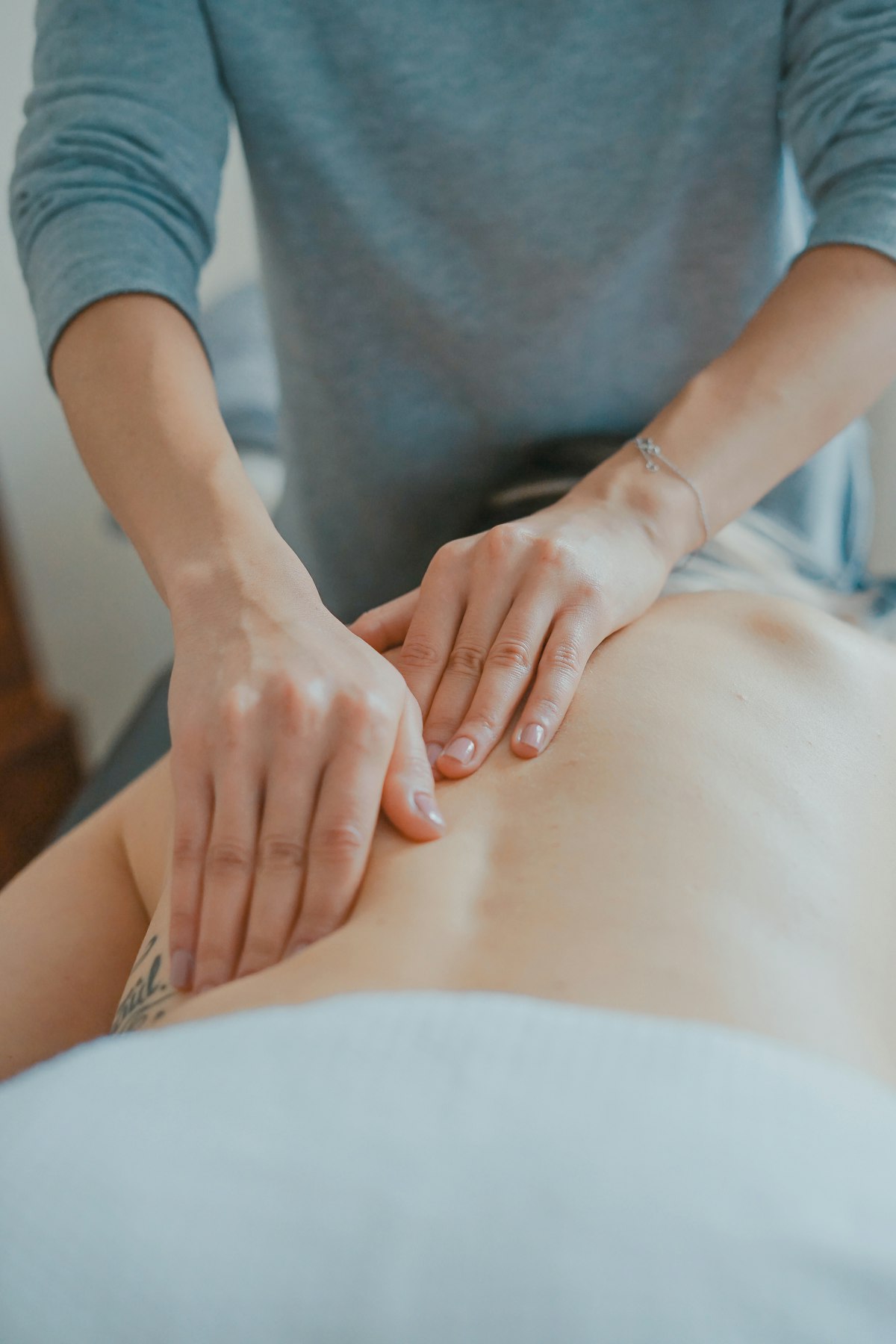
The therapist pauses, sensing tension before it is spoken of. Pressure adjusts instinctively. The rhythm of the massage slows, then deepens.
It is an instinct refined through thousands of treatments—a dialogue between therapist and body that remains one of the most profoundly human experiences in wellness.
Yet across the wellness industry, a new question is emerging.
What happens when the therapist is a robot?
Artificial intelligence and automation are changing how some wellness businesses assess the body and deliver treatments. Robotic massage systems, biometric diagnostics and computer-guided body scanning are beginning to appear in selected wellness centres.
Some systems offer digitally calibrated pressure; others use sensors and software to map areas of tension. For an industry built on ritual, intuition and human connection, their arrival raises one of modern wellness culture’s most interesting questions.
The rise of robotic massage
The concept is no longer science fiction. New automated treatment systems can combine robotic arms, body-mapping technology and pressure sensors to deliver programmed massage sequences.
Depending on the system, pressure levels may be adjusted digitally and sensor data may help identify or revisit particular areas. For spa operators facing therapist shortages or fluctuating demand, automation can offer consistency and availability.
But the spa experience has never been solely about technique.
Precision versus intuition
Robotic systems are strongest where machines traditionally perform well: controlled, repeatable movement and measurable settings.
A skilled therapist brings something different. Breathing patterns, muscle resistance, posture shifts and spoken feedback can guide every moment of a treatment. Pressure changes, rhythm adapts and the session becomes a responsive dialogue.
Current automated systems may reproduce a sequence accurately, but they do not provide the same human judgement, reassurance or emotional awareness. That intuitive relationship remains one of the defining characteristics of luxury spa therapy.
Spa Traveller insight
- The trend: robotic and computer-guided massage systems are entering selected wellness and fitness settings.
- The technology: automated arms or tables, body mapping, pressure controls and sensor feedback.
- The opportunity: technology can support access, consistency and personalisation.
- The luxury perspective: human attention and trust remain central to the treatment ritual.
Wellness destinations using advanced technology
Rather than replacing therapists, a number of leading wellness destinations use diagnostics, screening or data-informed programmes alongside established treatments and healing traditions. The precise technology and programme available can change, so ask the property what is included before booking.
- Lanserhof, Austria and Germany—known for medical-wellness diagnostics and preventive-health programmes.
- SHA Wellness Clinic, Spain—combines clinical assessment with nutrition, movement and complementary wellness approaches.
- Sensei Lanai, Hawaii—offers data-informed wellbeing programmes in a retreat setting.
- Chenot Palace Weggis, Switzerland—centres its offer on assessment-led detox and wellbeing programmes.
- Six Senses wellness programmes—selected resorts offer screening, sleep and recovery-focused experiences.
These examples are not necessarily robotic-massage destinations. They illustrate the broader direction of travel: technology supporting practitioners and personalisation rather than simply removing people from the treatment room.
The future of the spa treatment room
The spa industry has always balanced tradition with innovation. Ancient rituals already coexist with modern science, and the future treatment room may look much the same.
A therapist might prepare oils informed by long-established botanical practice while technology quietly organises sleep, movement or recovery information in the background.
The hands remain human. Technology helps them listen more closely.
Explore more from The Spa Traveller
- Find a spa for your next restorative break
- Plan a personalised spa break
- Explore wellness and longevity
Frequently asked questions
Are robotic massage treatments available in spas?
A small number of wellness centres, fitness clubs and specialist providers have introduced automated massage systems. They remain less common in luxury destination spas, and availability varies by property.
Can robots replace human massage therapists?
Automated systems can deliver repeatable movements and user-controlled pressure, but they do not offer the full judgement, communication and responsive care of a qualified human therapist.
Will AI change the spa industry?
It is likely to influence booking, screening, recovery analysis and programme personalisation. The most credible role is as a support for qualified practitioners—not a substitute for clinical assessment or human care.
Editorial note
Wellness technologies evolve quickly and may not be available at every destination named. This feature is editorial information, not medical advice. If you are pregnant, have an injury or medical condition, or are unsure whether massage is suitable, consult an appropriate healthcare professional and tell your therapist before treatment.