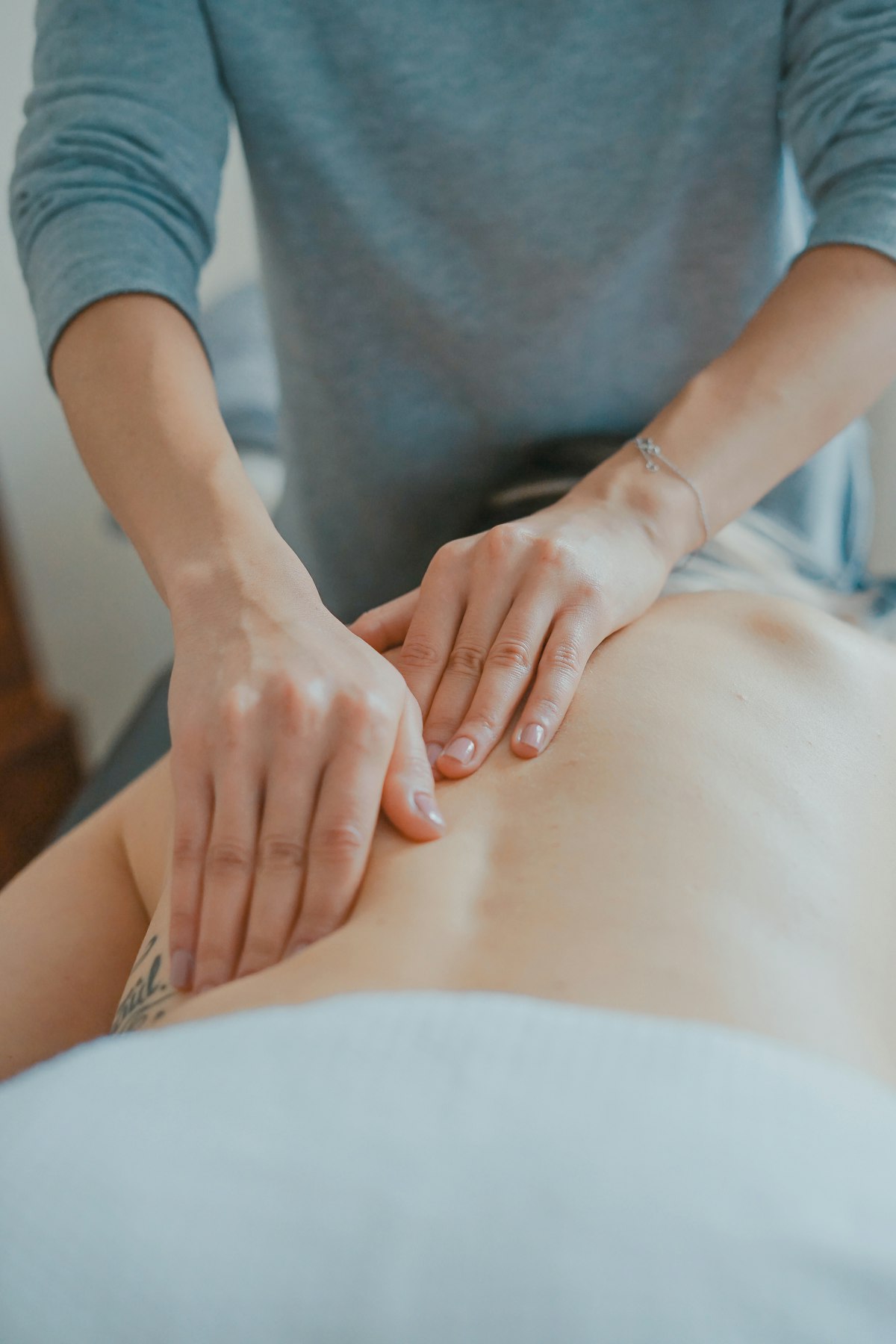
Choosing a massage should begin with what you want from the treatment, not the most exotic name on the menu. Pressure, pace, therapist style and your own comfort matter more than fashionable terminology.
At a glance
Decide whether your priority is relaxation, general muscle comfort, recovery or simply quiet time. Tell the therapist what you want, what you do not want, and any health information that could affect the treatment.
Start with the outcome
If you want to switch off, a slower full-body massage with moderate pressure may be more suitable than an intense treatment. If you are feeling tight after travel, exercise or long hours at a desk, you may prefer more focused work on the back, shoulders, hips or legs.
The treatment name is only a starting point. Two massages with the same label can feel completely different depending on the therapist, the pressure used and how much the session is adapted to you.
Pressure: more is not always better
Many guests assume that a massage has to be deep to be effective. It does not. Strong pressure can feel satisfying for some people, but it is not a badge of quality and should never feel like something you simply have to endure.
During the consultation, explain whether you prefer light, medium or firm pressure. If the pressure changes during the treatment and becomes uncomfortable, say so. A good therapist would rather adjust than discover afterwards that you spent half the session bracing against the table.
Relaxation massage
Choose this when the main goal is to slow down. The pace is usually gentler and the emphasis is on a smooth, calming experience rather than concentrated work on one area. It can be a good option on the first evening of a spa break or after a stressful period when you do not want the treatment itself to feel demanding.
Focused or firmer massage
If you have areas of everyday muscular tightness, you may prefer a more targeted session. Tell the therapist where you feel tension and what activities may be contributing to it. The treatment can then spend more time on relevant areas rather than applying the same routine from head to toe.
This is still a spa treatment, not a diagnosis. Persistent pain, a new injury, numbness, weakness or anything that worries you should be assessed by an appropriate health professional rather than treated as a routine massage issue.
Massage after exercise or golf
After a long walk, round of golf or training session, some people enjoy massage as part of recovery. Timing and intensity matter. A very deep, unfamiliar treatment immediately before an important sporting session may leave some people feeling tender or heavy, so it is sensible to discuss what you are doing next and choose the treatment accordingly.
For a leisure trip, many guests prefer massage after the main activity rather than before it. Gentle mobility, hydration, food and sleep remain the basics; massage can sit alongside them rather than replace them.
Aromatherapy and scented oils
Scent can add a strong sense of ritual, but it is not essential. If you dislike fragrance, have sensitive skin or simply prefer an unscented treatment, say so. A massage should not become less luxurious because you choose a neutral oil.
Head, neck, back or full body?
A shorter targeted massage can be a better use of time than a full-body treatment if one area is your real priority. For example, travellers who carry tension in the neck and shoulders may get more satisfaction from a focused session than from a broad treatment with only a few minutes spent there.
A full-body massage suits guests who want the feeling of an overall reset and do not have one area demanding attention.
A massage is not a test of how much pressure you can tolerate. The right treatment should feel appropriate to your body, your mood and what you want from the hour.
The consultation matters
Arrive a few minutes early and answer the consultation questions properly. Tell the therapist about recent surgery, pregnancy, skin conditions, allergies, medication, injuries or health concerns where relevant. If there is something you do not want massaged, make that clear before the treatment begins.
You can also ask practical questions: whether the treatment includes scalp work, whether oil is used in the hair, how much undressing is required, and whether there is time to shower afterwards if that matters to you.
Comfort and boundaries
You should feel comfortable throughout. Professional draping should protect your privacy, and you can ask for an area to be skipped or the treatment to stop at any time. If you prefer more or less conversation, say so. Some people enjoy a quiet treatment; others feel more relaxed with occasional reassurance from the therapist.
When to choose something else
If what you really want is heat, floating, quiet or simply time away from screens, a massage may not be necessary. A thermal circuit, swim, relaxation room or unstructured afternoon can be just as restorative for the right person.
Equally, if you have a specific medical or musculoskeletal concern, the appropriate next step may be a clinician or physiotherapist rather than a spa treatment. A luxury setting does not change the limits of what a massage is designed to do.
Our quick decision guide
- For switching off: choose a slower relaxation-focused massage.
- For everyday tightness: choose a more targeted treatment and explain the areas that matter.
- After sport: discuss timing and pressure, especially if you are active again soon.
- For sensitive skin or scent aversion: ask for a neutral product.
- If unsure: book the most adaptable treatment and use the consultation to personalise it.
For more planning help, see How to choose the right spa, explore Beauty & Treatments, or use The Spa Traveller Concierge to narrow the options.
This guide provides general editorial information and is not medical advice. Commercial links, when present, are labelled. If you have a health condition or concern about whether massage is suitable for you, seek appropriate professional advice and tell the spa before treatment.